
One problem. Specified. Solved.
Network-S exists for a single discipline: Android stability at the device level. Not mobile strategy, not full-stack consulting. We go deep on one thing because shallow coverage of everything fixes nothing.
We publish what the tooling handles well and where it breaks down. That boundary documentation is not a disclaimer appended at the end—it is the first thing we write.
Constraints are the product
Predictable behavior on a specific device matrix beats aspirational claims on every device ever shipped. We tell you exactly where we work best.
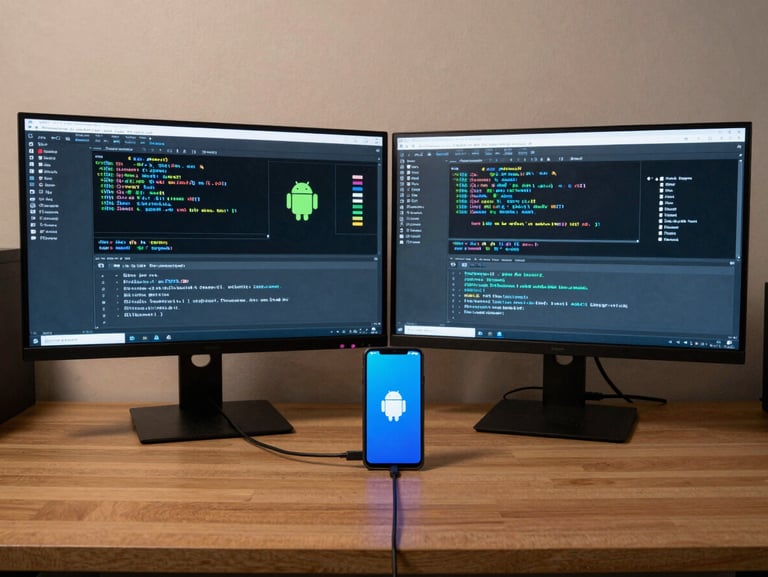

Built by engineers, not sales
The team traces to hardware-level Android work: kernel profiling, OEM integration, and crash forensics on real production fleets. No one here came from a solutions pitch deck.
See the scope, not the pitch
The solutions page states exactly what each tool covers, what it does not, and the device matrix we verify against. Read it before reaching out.